









Choosing commercial furniture isn’t the same as furnishing a living room. A chair in a hotel lobby gets used hundreds of times a week. A table in a care home needs to survive spills, cleaning chemicals and the odd knock from a wheelchair or trolley. A classroom chair gets stacked, dragged and sat on by someone new every hour.
Get the specification wrong and you’re not just replacing furniture sooner than planned — you’re dealing with downtime, warranty disputes, and possibly compliance issues. Get it right, and the furniture becomes part of the infrastructure: reliable, low-maintenance, and unnoticed because it simply works.
This guide walks through what trade buyers — specifiers, procurement teams, designers and facilities managers — should actually be checking before they commit to commercial furniture, whatever sector you’re buying for.
Start with how the space is actually used, not how it looks in a render
Before browsing ranges or finishes, map out the real usage pattern of the space:
- Footfall and frequency — a corporate breakout area sees different wear to a 24-hour hospital corridor
- User group — children, elderly residents, or mobility-impaired users all place different demands on stability, seat height and edge design
- Cleaning regime — daily chemical wipe-downs (common in healthcare) rule out certain finishes and fixings
- Flexibility needs — does furniture need to be stacked, nested, or reconfigured for different layouts
A piece that’s perfect for a corporate boardroom may be entirely wrong for a school hall. Defining usage first prevents an expensive re-spec later.
Check durability and construction, not just the finish
In consumer furniture, finish sells. In commercial furniture, construction is what determines total cost of ownership.
When evaluating commercial furniture, look past the surface and ask about:
- Frame material and joinery — welded steel frames and mortice-and-tenon joints typically outlast glued or stapled construction
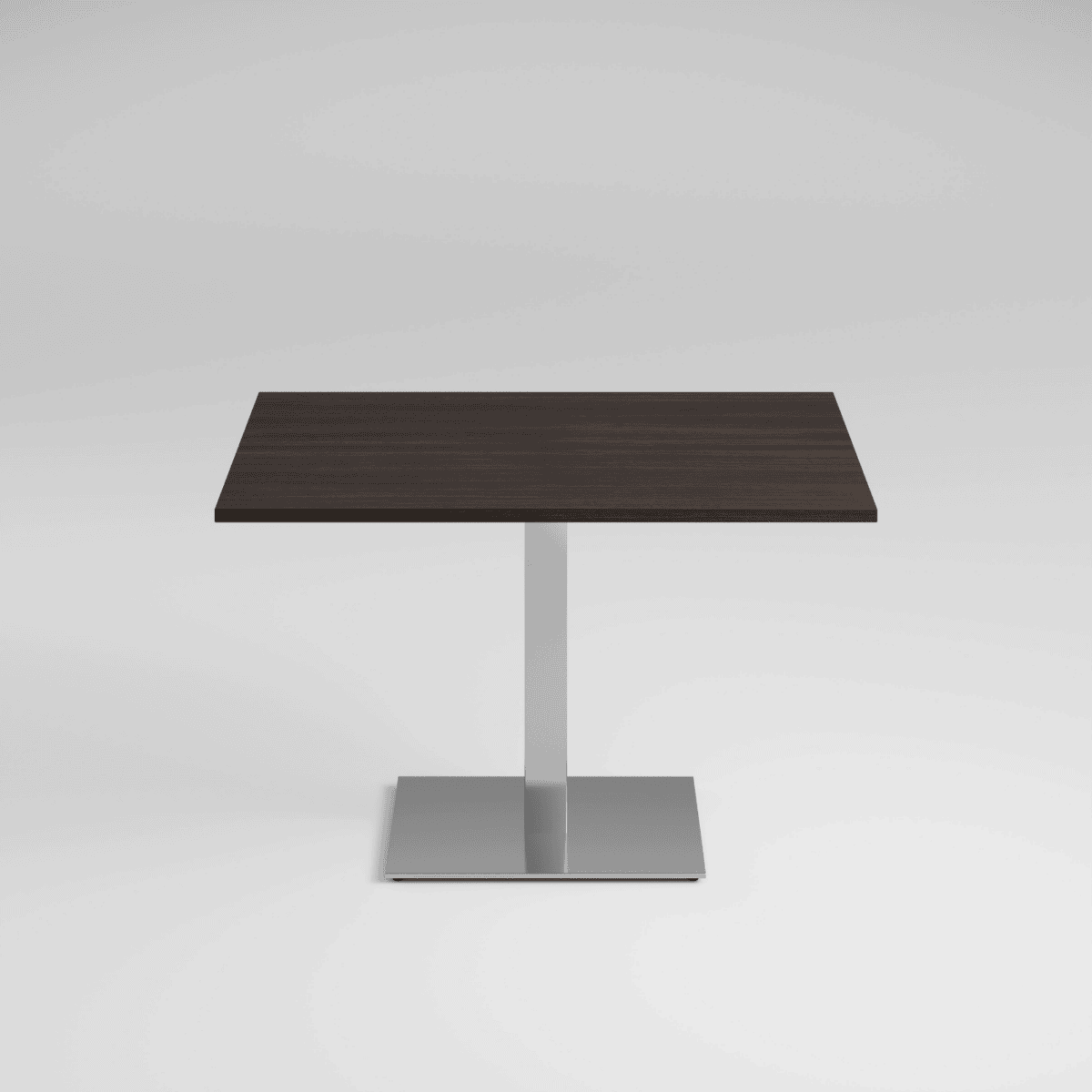
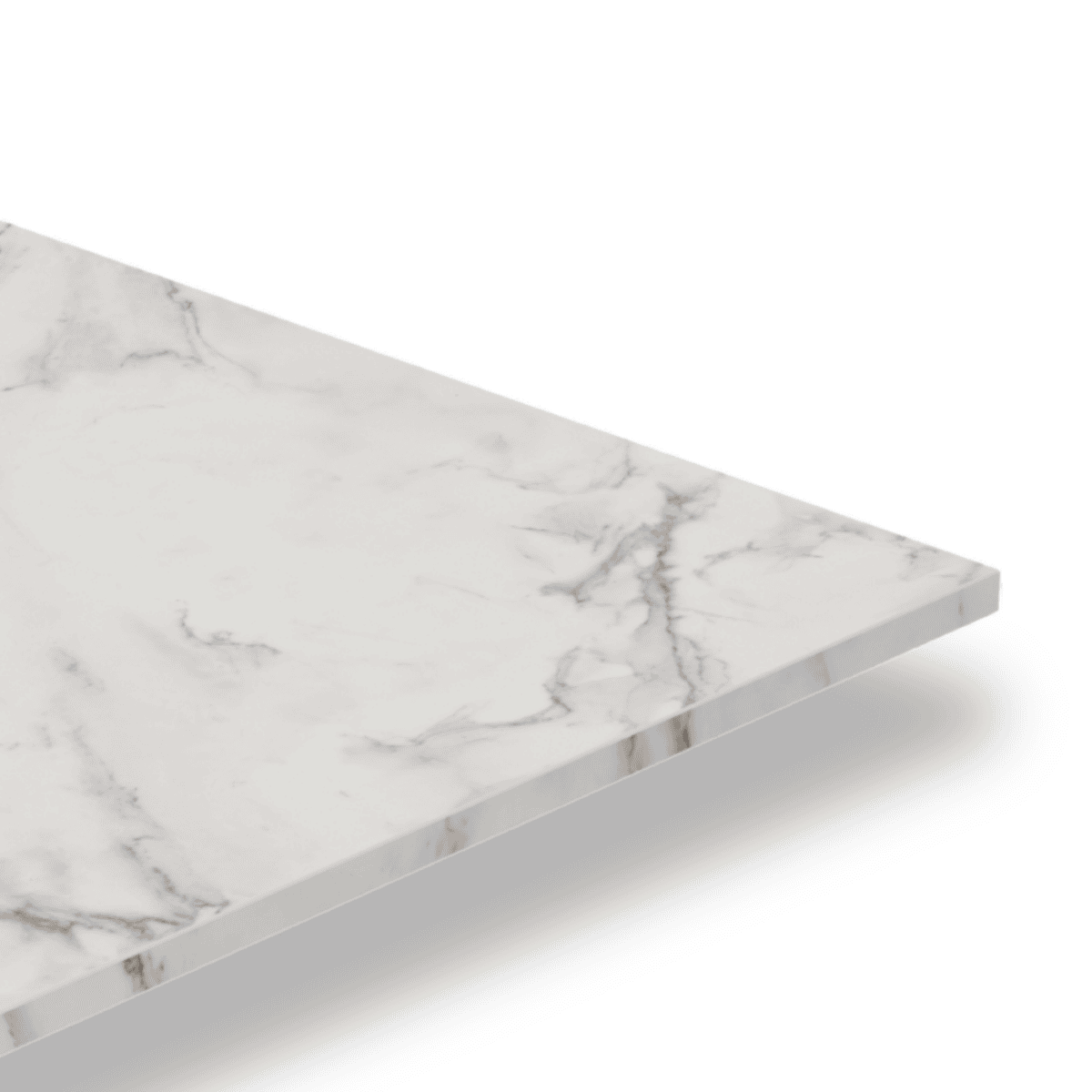
- Surface specification — compact laminate, MFC, or solid wood tops each have different resistance to moisture, impact and scratching
- Weight ratings and stability testing — genuine contract furniture should be tested to BS EN standards for the sector it’s intended for, not just domestic-grade equivalents
- Repairability — can a damaged component be replaced, or does the whole piece need writing off
Furniture built to genuine contract specification costs more upfront but is almost always cheaper across its lifecycle than furniture bought on price alone.
Don’t skip compliance — it’s not optional in contract environments
This is where a lot of buyers get caught out, particularly on tighter timelines. Contract furniture usually needs to meet specific regulatory requirements depending on the sector:
- Fire ratings — upholstered furniture in hospitality and healthcare settings must meet BS 5852 crib 5 or equivalent, and documentation should be available on request, not just claimed
- Accessibility — furniture in education, healthcare and public-facing corporate spaces should support Equality Act / accessibility requirements (seat heights, arm supports, clearances)
- Sustainability credentials — increasingly relevant for tenders, particularly where BREEAM ratings or FSC-certified timber sourcing are part of a project’s requirements
Ask any supplier for test certificates and compliance documentation upfront. A reputable trade furniture supplier will have this ready — reluctance to provide it is a red flag.
Factor in lead times and warranty from the start, not at the eleventh hour
Furniture is usually one of the last things confirmed on a fit-out or refurbishment programme, which means it’s also usually under the most time pressure. A few things worth locking down early:
- Realistic lead times — bespoke finishes, upholstery, and made-to-order sizing all extend production time; confirm this before the delivery date is fixed elsewhere in the project plan
- Contract warranty terms — commercial-grade warranties (typically longer than consumer warranties) should cover frame integrity and workmanship, not just cosmetic defects
- Aftercare and replacement parts — ask whether the supplier holds stock of common wear parts (glides, fixings, upholstery fabric) for future repairs
Building these questions into your procurement conversation early avoids last-minute compromises on quality just to hit a deadline.
A quick specification checklist
Before you commit to an order, run through this:
- Have you defined the actual usage pattern and user group for the space?
- Does the construction match the wear level expected (frame, joints, surface material)?
- Can the supplier provide fire rating and compliance certification for your sector?
- Are lead times confirmed in writing against your project timeline?
- Does the warranty cover structural integrity, not just appearance?
- Is there a sustainability or BREEAM angle you need documented for the project?
If you can tick all six, you’re specifying commercial furniture the right way round — starting from how it needs to perform, not just how it needs to look.
Image suggestion: a styled but realistic shot of a finished contract space (e.g. senior living lounge or education breakout space) as a visual payoff after the checklist.